Set screenas of 2026-09-26
Roaring Skies
Cards112
Priced110
Median raw ask$0.43
With PSA 10 tape5
Median PSA 10 premium27.6x
Set median, 90d+3.4%
Pick the reading
Which Roaring Skies cards carry the widest gap between the raw ask and the PSA 10 sold median, on 5 or more verified comps? A wide gap is where grading adds the most, and where a raw copy in gem-ready condition is priced as if it were not.
PSA premium spread
5 of 112 qualifyPSA 10 verified sold median over the raw ask, cards with 5 or more verified PSA 10 comps.
| # | Card | Premium | PSA 10 | Raw ask | PSA 9 | Gem rate |
|---|---|---|---|---|---|---|
| 1 | 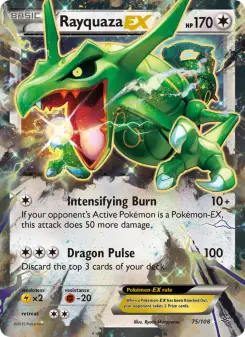 Rayquaza EX#75 · Ultra Rare | 44.6x | $1,83759 comps | $41.22 | $21375 comps | 21% |
| 2 | 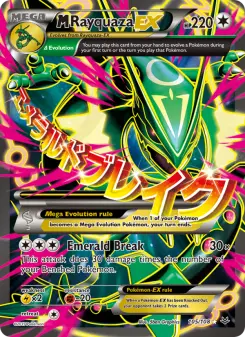 M Rayquaza EX#105 · Ultra Rare | 42.0x | $21,0009 comps | $500 | $2,51343 comps | 2.5% |
| 3 | 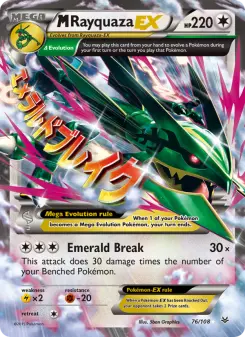 M Rayquaza EX#76 · Ultra Rare | 27.6x | $3,00215 comps | $109 | $28630 comps | 8.1% |
| 4 | 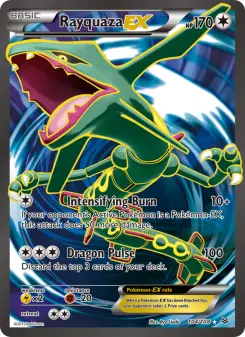 Rayquaza EX#104 · Ultra Rare | 26.5x | $6,4355 comps | $243 | $51024 comps | 1.7% |
| 5 | 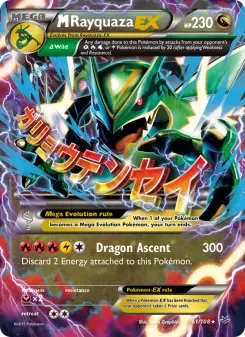 M Rayquaza EX#61 · Ultra Rare | 21.2x | $3,66013 comps | $173 | $40148 comps | 4.7% |
How to read it
Raw is the canonical printing's TCGplayer ask, the same figure the card page shows. PSA 10 and PSA 9 are eBay sold medians verified per listing, printed with their comp counts; a premium is only computed on 5 or more PSA 10 comps.
Gem rates come from the PSA registry snapshot and are only trusted on lines of 100 or more slabs; a zero beside a real population is a provider gap and is withheld, never shown as 0%. Moves and highs come from each product's own recorded series, trimmed at the price-rule change of 2026-09-07, and ignore cards under $5.
Every figure carries its sample. A short series, a thin comp count or a small registry is printed beside the number rather than hidden, and a card that lacks the figure a reading needs is left off that reading instead of scored on a guess.